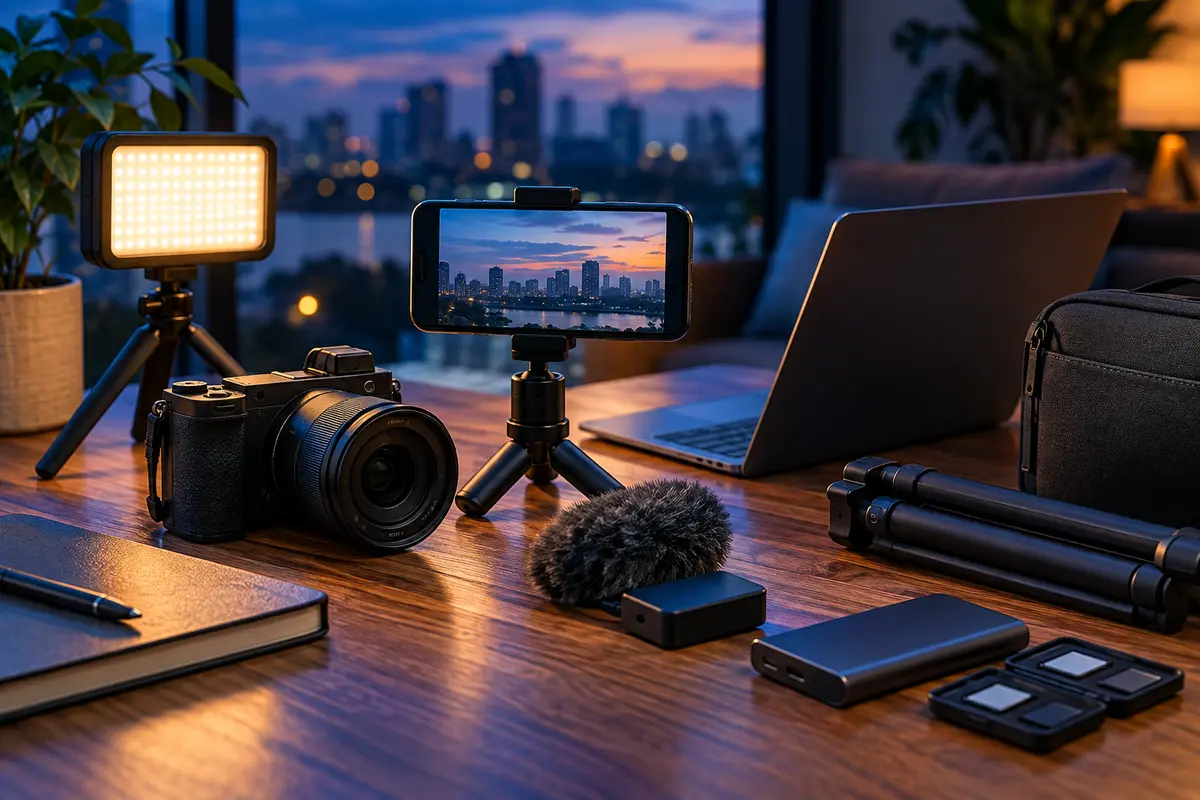
Creator Microphone Guide: Clearer Audio for Video, Podcasts and Calls
A room-aware comparison of USB, wireless, lavalier and directional microphones.
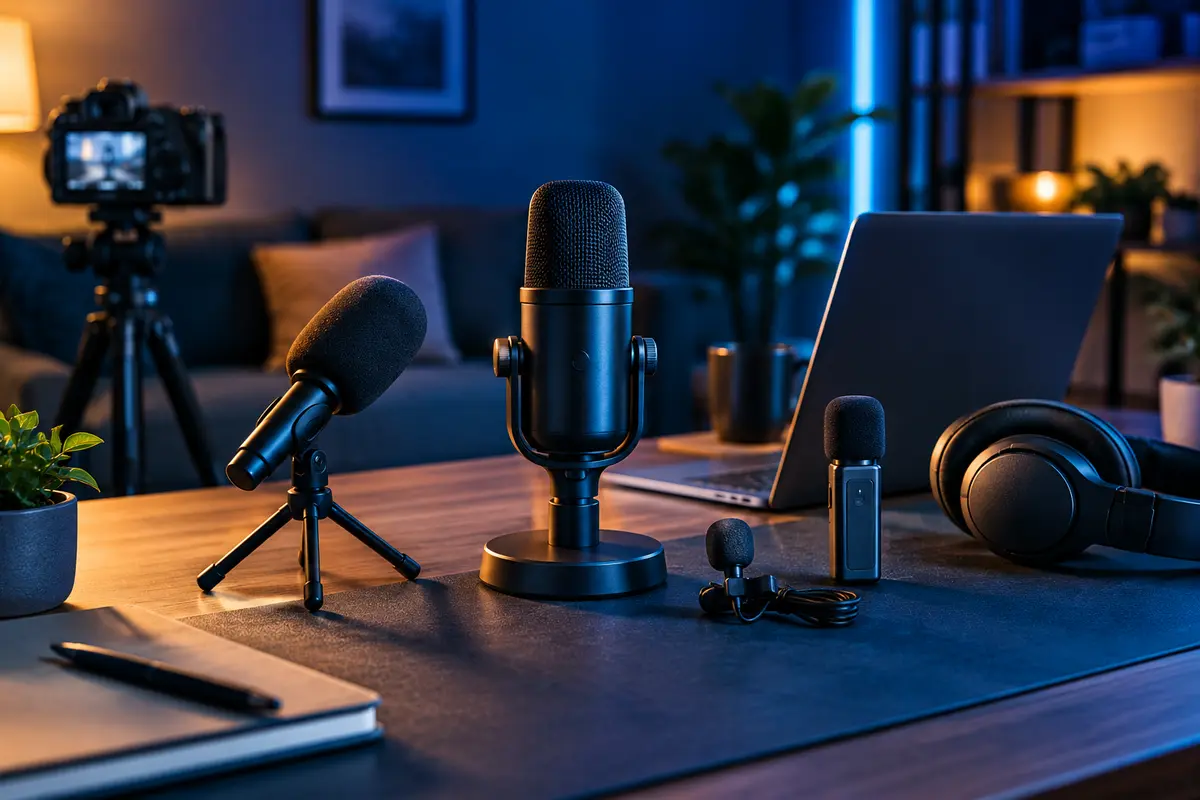
A good purchase begins with the way a product will be used, not the longest specification list. This guide organises the decision around everyday needs, total cost and support after the sale.
What deserves attention
The most useful comparison points are room acoustics, pickup pattern, connection, monitoring, placement and backup recording. These factors reveal more than a headline feature because they affect the experience throughout ownership.
A practical way to compare options
Moving a suitable microphone closer usually improves speech more than buying a costly model used too far away. Wireless systems add freedom but require battery and interference planning.
Compare equivalent configurations and read the warranty terms. Indian pricing can move quickly during sales, so use the normal selling price—not a short-lived maximum discount—as the basis for value.
Claims, evidence and limitations
This article is based on published specifications, manufacturer documentation, standards information and cross-checked independent reporting. BestReviewsBase does not claim hands-on testing unless an article explicitly describes the test method and equipment. Availability, software features and prices should be confirmed for the exact Indian model before purchase.
Who should consider it
The strongest choice will vary with budget, existing devices, local service and the expected ownership period. A feature is valuable only when it supports a repeated task or removes a genuine limitation.
Bottom line
Pick the microphone for the room and placement, then improve technique before upgrading hardware.
Editorial note: This research-based article contains no fabricated rating or hands-on claim. Product details can change through firmware, regional variants or revised retail bundles.